
What to Decide Before You Choose Packaging for a New Beauty Product
What to Decide Before You Choose Packaging for a New Beauty Product
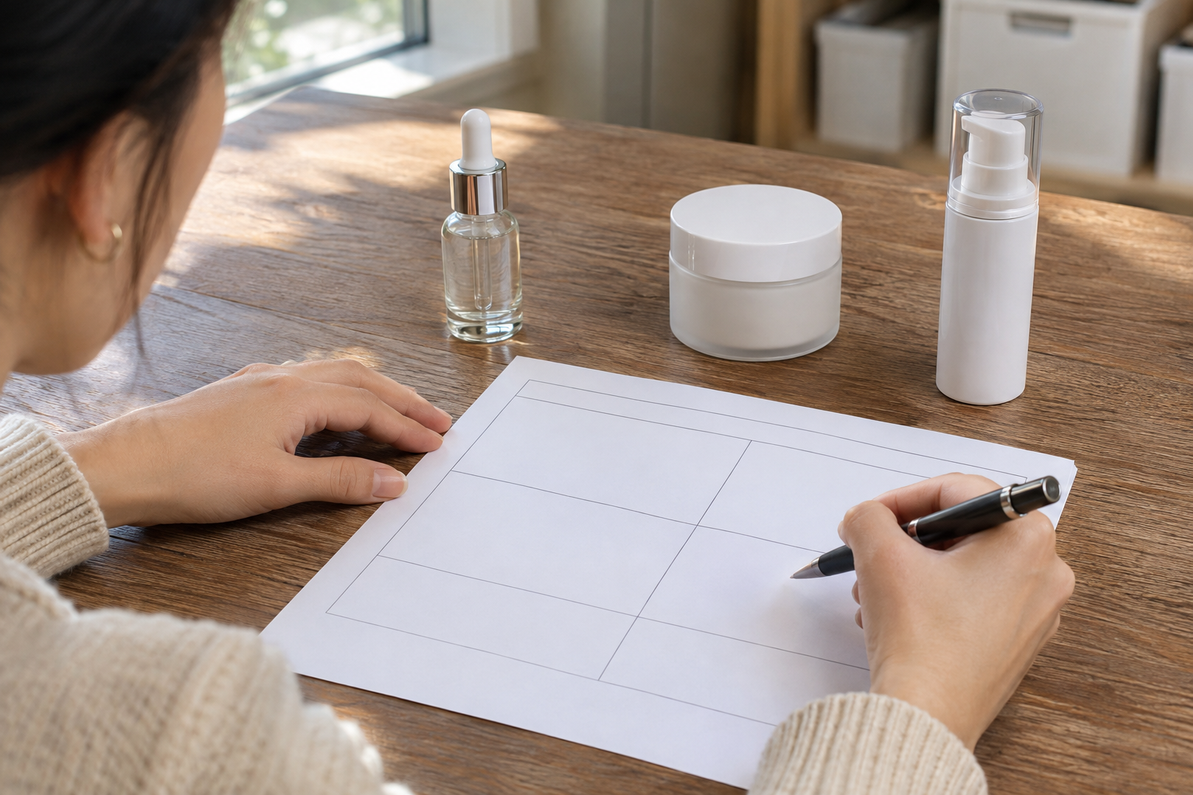
Choosing packaging for a new beauty product is easier when the product requirements are clear first. Before comparing jars, bottles, pumps, or closures, prepare a short packaging brief that describes the formula, how customers will use it, the amount to be filled, the sales channel, the budget, and the launch timing. This helps a small business narrow its options and ask suppliers more useful questions.
Start With the Product and Formula
Begin with the product itself. Is it a liquid, oil, lotion, cream, balm, powder, or another type of formula? Consider how it flows, how it will be applied, and whether it needs to be dispensed in small amounts or accessed from a wide opening. These details help determine which packaging styles are worth comparing.
The material and dispensing components should also be reviewed with the finished formula in mind. A container that looks suitable is only a starting point. For background on how packaging materials relate to product needs, read Discount Cosmetic Jars’ Science of Cosmetic Packaging guide.
Define the Fill Amount
Write down the intended net amount of product in each finished unit. Then confirm the container’s stated capacity, dimensions, and filling requirements before ordering. A package’s nominal capacity and the amount of product a brand intends to fill are related, but they are not automatically identical. Check the final fill with the actual product and filling process.
If the brand plans to offer a regular size and a sample or travel size, list each one separately. The same package may not suit every version.
Decide How Customers Will Dispense and Use It
Think through the customer’s experience. Will customers scoop product from a jar, dispense it from a pump, squeeze it from a bottle, or apply it with a dropper? Will they usually use it at home, carry it in a bag, or need to operate it with one hand?
The closure and container need to work together for the intended use. Discount Cosmetic Jars’ guide to cosmetic packaging closures explains common options such as jar lids, pumps, sprayers, and sifters. Use it as a starting point, then evaluate the selected package with the finished formula.
Beauty-Makeup-Supply offers different formats to compare, including a 30 ml acrylic cream jar with a sealing disc, a 10 ml clear glass dropper bottle, and a 30 ml refillable airless pump bottle. These are examples of available packaging styles, not a substitute for checking specifications and testing a package with the intended formula.
Consider Where and How the Product Will Be Sold
A package used mainly on a bathroom counter may have different priorities from one customers carry while traveling or receive through e-commerce. Consider the sales channel, how the product will be stored and shipped, how easy it should be to open, and how the container will look in product photography or on a retail shelf.
If the product is sold online, include the filled package in a small shipping trial before launch. Check that the primary container and closure remain secure under the handling and shipping conditions the product is expected to encounter.
Plan the Label and Decoration Early
Before finalizing a container, consider where the product name and other label information will go. Look at the usable label area, surface shape, curves, shoulders, and seams. A label design created before checking the actual package dimensions may need to be revised later.
A quick paper mockup wrapped around a sample container can reveal space and placement issues before printed labels are ordered. Keep the label plan flexible until the brand has selected and measured the actual package.
Set a Realistic Packaging Budget
Estimate the total packaging cost per finished unit, not just the price of the container. Check what is included with each item and whether closures, liners, seals, or other components must be purchased separately. Include labels or decoration, samples, and shipping in the working estimate.
Decide how many units are needed for the first run, including product samples, photography, testing, and a reasonable reserve. For more supplier-selection considerations, see Beauty-Makeup-Supply’s guide to choosing packaging vendors for handmade beauty products. Discount Cosmetic Jars also has a broader packaging guide for home-based beauty businesses.
Beauty-Makeup-Supply has no minimum order requirement, so businesses can review package options and order quantities that fit their needs. Check each product listing for its specifications, included components, current availability, and quantity pricing.
Order Samples and Test the Complete Package
Before committing to a production quantity, obtain samples of the container and the components intended to go with it. Fill the package with the finished formula and review how it dispenses, closes, feels in use, and works with the label. Check for leakage or other handling concerns under expected conditions.
Testing should use the actual package combination and the actual product. A pump that attaches to a bottle, for example, still needs to be assessed with the intended formula and filling method. Keep notes on the sample and the result so the approved choice can be identified later.
Build a One-Page Packaging Brief
Before requesting recommendations or placing an order, write down the product type and formula, target net fill, desired dispensing method, customer and sales channel, decoration needs, target packaging cost, first-run quantity, and launch date. Include questions about package dimensions, included components, and samples.
This brief gives the brand a practical basis for comparing options and communicating with suppliers. It also helps prevent a visually appealing package from moving forward before its fit, use, cost, and timing have been considered.
The right package is the one that suits the product and the way customers will use it. Once the requirements are clear, compare available cosmetic jars, cosmetic bottles, and airless pump bottles and jars, then test the selected combination before moving into production.
Recent Posts
-
What to Decide Before You Choose Packaging for a New Beauty Product
What to Decide Before You Choose Packaging for a New Beauty Product Choosing packaging for a new bea …19th Nov 2026 -
How to Fill an Airless Pump Bottle Correctly
Airless pump bottles depend on more than the pump itself to dispense a product. The formulation, fil …1st Nov 2026 -

Make Every Order Count with Reward Points
A little extra value goes a long way. With the Beauty-Makeup-Supply Rewards Program, you can earn po …29th Oct 2026